
 Facebook
 X
 Pinterest
 Copy Link
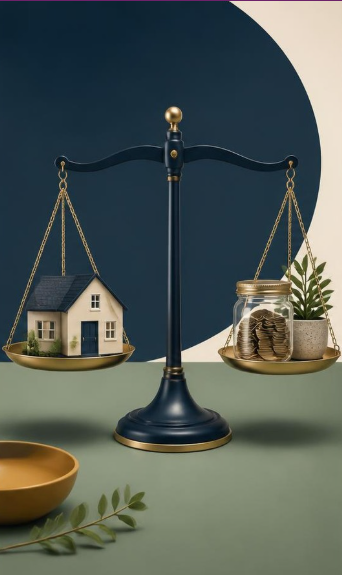
Recently I’ve seen articles and posts about housing affordability. What does that mean? And then I thought, what does it mean if there is a housing affordabilty issue over the next 25, 50, and 100 years?
Housing is more than just a place to live. For many people, a home becomes one of their largest assets. It can provide stability, build equity, and eventually become something they pass along to their children. If people keep getting pushed further away from homeownership, the consequences could go well beyond having a higher monthly rent payment.
Of course, buying a home isn’t the right decision for everyone, and renting can make a lot of sense depending on someone’s circumstances. I also don’t believe anyone should stretch their budget to the breaking point just to become a homeowner. But if affordability continues to be a major barrier, I think it’s worth asking where that leads—and whether there are ways to keep homeownership within reach.
What Makes Housing So Unaffordable? When people talk about housing affordability, the conversation usually goes straight to home prices or interest rates. Both matter, but affordability involves much more than that. Buyers also have to consider property taxes, homeowners insurance, down payments, closing costs, maintenance, utilities, other debt, and whether their income can keep up with those expenses.
Mortgage rates have been a particularly big challenge. In early October 2026, the average 30-year fixed mortgage rate reached 7.40%, its highest level since November 2023. When home prices are already high, an increase in interest rates can make a significant difference in a buyer’s monthly payment. Someone who was close to being able to afford a home may suddenly need to lower their price range or put more money down.
That’s what makes the current affordability problem so frustrating. People can work hard, save money, and do their best to plan ahead, yet still find themselves struggling to make the numbers work. And waiting for lower rates isn’t a guaranteed solution. If rates fall, more buyers may enter the market, increasing competition for available homes and potentially pushing prices higher. If rates stay high, monthly payments may remain difficult to manage. There isn’t one magic number that suddenly makes housing affordable.
Unfortunately, I still haven’t found the secret button labeled “Make Houses Affordable.” If you find it, please let me know. I’m sure there’s a long line of people waiting to press it.
What Happens If We Keep Waiting? Imagine someone who might have bought their first home in their late 20s or early 30s but doesn’t purchase until their 40s. That delay could mean fewer years to pay down a mortgage, build equity, and potentially benefit from appreciation before retirement.
It could also mean fewer opportunities to move up later. Maybe that person could have purchased a starter home, built equity over several years, and eventually used it toward a larger home. If their first purchase gets pushed back by a decade or more, that entire progression may be delayed. Meanwhile, someone who already owns a home may continue building equity as they pay down their mortgage. If their home increases in value, they may have additional options when it’s time to sell, move, or help their children buy a home of their own.
That’s where I see a potential long-term problem: people who already own real estate may continue building wealth while people trying to enter the market have a harder time getting started.
Over 50 years or more, that difference could affect entire families. One family might pass down a home, help with a down payment, or leave money from a home sale to the next generation. Another family might not have those same resources available. That doesn’t mean every homeowner will become wealthy or every renter will struggle. People build wealth in many different ways, and homeownership comes with financial risks. But if owning a home becomes increasingly dependent on whether your parents or grandparents were able to buy one, the gap between families could grow over time.
Predicting what housing will look like 100 years from now is impossible. Wages, construction, policies, and communities will all change. But if housing continues to become more expensive relative to incomes, homeownership could become increasingly concentrated among people who already have wealth. I think that’s worth paying attention to.
Does Your First Home Have to Be Your Dream Home? This is where I think buyers may have more options than they realize. If the home you originally pictured yourself buying is outside your budget, does that mean you have to wait until you can afford it? Or could a smaller home, a townhouse, a condo, or a property in a neighboring community be a reasonable first step?
Personally, I think it’s worth exploring the second option. Your first home doesn’t have to be your forever home. It doesn’t have to have every feature on your wish list, and it doesn’t have to be the place where you plan to spend the next 30 years. It needs to meet your needs, fit your budget, and make sense for your life.
My wife and I experienced this when we were trying to buy a home in California around 2009. We had a particular city in mind, but the prices weren’t realistic for us at the time. Instead, we bought in a neighboring city. Eventually, we sold that home and were able to purchase in the city we’d originally wanted.
Looking back, if we’d insisted on buying only in our preferred city, we might have waited much longer to become homeowners. Our experience isn’t a guarantee that someone else’s home will appreciate or that buying will always work out the same way. But it taught me that sometimes a practical first step can create opportunities you might not have if you wait for everything to be perfect.
A more affordable first home may give you time to build equity and potentially put you in a better position to move later. Of course, home values can decline, repairs can be expensive, and buying and selling both come with costs. That’s why it’s important to buy something you can comfortably afford and ideally stay in long enough for the decision to make sense.
I’m not suggesting that everyone should rush out and buy a home right now. If the payment would leave you struggling to cover everyday expenses, it may be better to wait, keep saving, or pay down debt. But if you can afford a home that meets your needs—even if it’s not the one you originally envisioned—I think it’s worth considering. The goal isn’t to buy a home at any cost. It’s to keep homeownership within reach when the numbers make sense.
So What’s the Answer? I don’t think the answer is simply that home prices need to come down or that interest rates need to fall. Both could help, but housing supply, wages, construction costs, and other factors also play a role. And I definitely don’t think the answer is telling everyone, “Buy now or you’ll never be able to afford a house.” That’s not how I approach real estate, and it’s not how I want anyone making a major financial decision.
Instead, I think we need to keep asking whether we’re creating reasonable paths for first-time buyers to enter the market and whether working people can afford to live in the communities where they work and raise their families.
On an individual level, I encourage buyers to look at their options and think about what matters most. Maybe you need to adjust your expectations on location, size, or features. Maybe you decide that renting for another year while you improve your financial position is the right choice. There isn’t one answer that fits everyone. But don’t automatically assume that because you can’t afford your dream home today, you can’t afford any home that makes sense for you. Sometimes the best way to work toward the home you really want is to start with one that fits your life right now.
I’ve always thought of homeownership as more than just buying a house. It can provide stability, create equity, and give people more options later in life. If we’re pushing that first opportunity further and further into people’s lives, we’re potentially changing how wealth is built and transferred for generations. I don’t know where home prices or mortgage rates will be five years from now, let alone 25 or 100. But I do think it’s worth having the conversation—and making sure buyers understand the options available to them.
If you’re hoping to buy but feel like the home you want is out of reach, it may be worth exploring different neighborhoods, home sizes, or property types. You don’t have to buy your forever home first. Sometimes, a realistic first step is what helps keep the bigger goal alive.
